
You’ve probably stood in the makeup aisle, staring at rows of primers, wondering if you’ve been missing something crucial. Your friend swears by it. Instagram makeup artists treat it like oxygen. But what does primer actually do, and more importantly, do you really need it?
Let’s skip the marketing fluff and talk about what’s really happening on your face.
The Honest Chemistry Behind Primer
Here’s something most articles won’t tell you: primer isn’t magic, it’s chemistry. When you smooth primer onto your skin, you’re essentially creating a synthetic layer between your natural oils and your makeup. Most primers contain silicones like dimethicone or cyclopentasiloxane, which sit on top of your skin rather than being absorbed.
Think of your face as a slightly textured, oil-producing surface. Your pores aren’t perfectly smooth, your skin has natural variations, and throughout the day, it produces sebum. Makeup, especially liquid foundation, interacts with all of this. It can slide around on oily patches, settle into creases, or look patchy on dry spots.
Primer creates what scientists call a “slip layer.” It fills in the tiny valleys of your skin texture temporarily and provides a consistent surface. This isn’t filling your pores in any permanent way, despite what some packaging claims. The moment you wash your face, that silicone layer goes down the drain.
What Primer Actually Accomplishes (And What It Doesn’t)
Let’s get specific about what happens when you use primer:
It does create grip. Despite feeling silky and smooth, most primers actually help foundation adhere better. This seems counterintuitive, but the slightly tacky surface some primers leave behind gives foundation something to hold onto instead of just mixing with your natural oils.
It does blur texture temporarily. Those silicones literally fill in small surface imperfections the way spackle fills nail holes before painting a wall. You’re not eliminating the texture, you’re camouflaging it under a smooth layer.
It does regulate oil absorption. Some primers contain ingredients that absorb oil throughout the day, which can keep makeup from breaking down as quickly on oily skin types.
It doesn’t change your actual skin. This might seem obvious, but it’s worth stating clearly. Primer is a temporary cosmetic solution, not skincare. When brands add trendy ingredients like hyaluronic acid or niacinamide to primers, you’re getting minimal skincare benefit because primer sits on top of skin rather than being absorbed.
It doesn’t make bad makeup good. If your foundation is the wrong shade or formula for your skin, primer won’t fix that fundamental mismatch.
The Situations Where Primer Actually Matters
After years of testing makeup, I’ve realized primer isn’t a universal necessity. It’s situational. Here’s when it genuinely makes a difference:
Long days without touch-ups. If you’re getting ready at 6 AM for a wedding that runs until midnight, primer buys you time. It’s the difference between makeup that lasts eight hours versus twelve.
Important photographs or videos. Cameras pick up texture differently than the human eye. Primer creates that smooth canvas that photographs particularly well under professional lighting.
Extreme skin types. If your skin is extremely oily or extremely dry, primer can moderate how your makeup interacts with those extremes. For very oily skin, it absorbs excess sebum. For very dry skin, it prevents foundation from clinging to dry patches.
Special effects makeup. If you’re doing something dramatic with color correction, intense contouring, or theatrical looks, primer creates a neutral base to work on.
When you’re already wearing minimal makeup. Paradoxically, primer sometimes works best when you’re wearing less. A light layer of tinted primer can even out your complexion without the weight of foundation.
When You Definitely Don’t Need Primer
Here’s the uncomfortable truth the beauty industry doesn’t want you to hear: most people, most days, don’t need primer.
If you’re just running to the grocery store or working from home with the occasional video call, your foundation will survive a few hours without primer. If your skin is relatively balanced and you’re using a good moisturizer, you’ve already created a smooth base.
Some people have skin that naturally holds makeup well. If you’ve never had issues with foundation sliding off or disappearing by lunch, congratulations—your natural oils and skin texture are doing the job primer would do.
The Mistakes Almost Everyone Makes
The biggest primer mistake isn’t skipping it; it’s using it wrong.
Using too much. Primer works in a thin layer. When you glob it on, you create a slippery surface that actually makes makeup slide around more. A pea-sized amount for your entire face is genuinely enough.
Mixing incompatible formulas. Silicone-based primers work best with silicone-based foundations. Water-based primers need water-based foundations. Mix them, and you get pilling, sliding, or that weird texture where your makeup seems to separate on your face. Check your foundation’s first few ingredients—if you see words ending in “-cone” or “-siloxane,” that’s silicone-based.
Applying it to dirty or unprepped skin. Primer goes on after your skincare routine is completely absorbed. If you put it on immediately after moisturizer, you’re just mixing the two products together instead of creating distinct layers.
Expecting it to fix underlying issues. If your skin is dehydrated, no primer will make it less dehydrated. If you have active breakouts, primer won’t heal them. You need to address the root cause with skincare, not cover it with cosmetics.
The Budget Reality Check
Let’s talk about something refreshing: you can spend $8 or $80 on primer, and the expensive one isn’t necessarily better.
Primer ingredients are relatively inexpensive. That luxury primer charging you $65 contains the same dimethicone you’ll find in the drugstore version. You’re often paying for packaging, brand prestige, and marketing.
The difference between drugstore and luxury primers usually comes down to texture and fragrance, not performance. Some high-end primers feel more elegant going on or have a more sophisticated scent. If that sensory experience matters to you, great. But if you just want your makeup to last, the affordable option works fine.
What Your Skin Type Actually Needs
Instead of buying multiple primers, understand what your skin really needs:
Oily skin benefits from mattifying primers because the oil-absorbing ingredients genuinely help. Look for ingredients like kaolin clay, silica, or rice powder in the formula.
Dry skin needs hydration first, primer second. A truly good moisturizer might eliminate your need for primer entirely. If you still want one, look for something lightweight that won’t interfere with your moisturizer underneath.
Combination skin is tricky. You might need different approaches for different areas, or you might need to accept that one product can’t solve everything. Sometimes targeted application works better than covering your whole face.
Normal skin has the luxury of choice. You can experiment with different primers to enhance specific things you want—more glow, more matteness, more longevity—without needing to solve a problem.
The Alternative Approach
Here’s a secret from professional makeup artists: sometimes the best “primer” isn’t a primer at all.
A good moisturizer that’s fully absorbed can provide enough slip and smoothness for foundation. Some people find their sunscreen works perfectly as a primer. Others use a tiny bit of facial oil to create that smooth surface.
The Korean beauty approach often skips Western-style primers entirely, focusing instead on elaborate skincare that creates naturally primed skin. Multiple lightweight hydrating layers can achieve the same effect as primer for some people.
Reading Between the Marketing Lines
When you see primers marketed for specific concerns—redness, dullness, enlarged pores—remember that these are temporary optical illusions.
Color-correcting primers use color theory. Green neutralizes redness, purple brightens yellow undertones, peach counteracts dark circles. This works, but it’s the same principle as any color corrector. You’re not treating the redness; you’re masking it.
Illuminating primers contain light-reflecting particles, usually mica or synthetic pearls. These bounce light around to create the appearance of radiance. You could get the same effect by mixing a liquid highlighter into your moisturizer.
Pore-minimizing primers use silicones to fill in pores temporarily, plus sometimes optical blurring agents that scatter light. When brands show before-and-after photos of “reduced pore size,” they’re showing you filled-in pores, not actually smaller pores.
The Texture Experience Nobody Talks About
One aspect of primer that gets overlooked is the sensory experience, and this matters more than we admit.
Some people genuinely enjoy the ritual of applying primer. It feels like taking care of yourself, like an extra step that signals you’re putting effort into your appearance. That psychological benefit is real, even if it’s not about the chemistry.
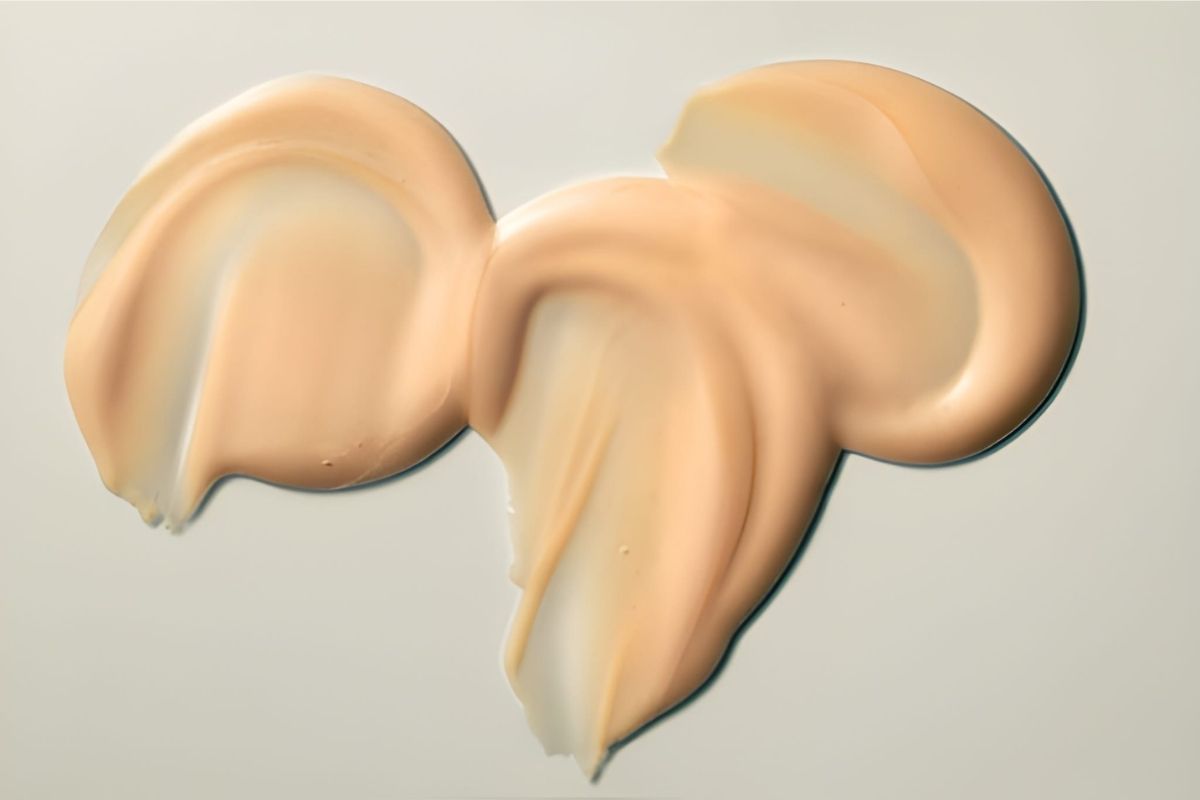
The smooth, silky feeling of silicone-based primers can be satisfying. Your fingers glide across your face, everything feels velvety, and there’s a tangible difference in how your skin feels. For some people, this sensory pleasure makes primer worth it regardless of whether it technically improves makeup wear.
On the flip side, some people hate how primer feels. It can feel heavy, artificial, or like you have a layer of plastic on your face. If you’re in this camp, no amount of extended wear will make primer enjoyable to use.
The Environmental Consideration
Here’s an angle most beauty articles ignore: primer has an environmental footprint.
Those silicones that make primer work so well? They’re synthetic polymers derived from petroleum. They don’t biodegrade quickly. When you wash your face, they go down the drain and into water systems.
Some brands now offer “clean” primers with plant-based alternatives, though these often don’t perform quite as well because we haven’t found perfect natural substitutes for silicones yet. It’s a trade-off between environmental impact and performance.
If this concerns you, the most environmentally friendly approach is to use less product overall, which might mean skipping primer on days when you don’t truly need it.
How Primer Fits Into the Bigger Picture
The makeup industry thrives on convincing us we need more products. Primer is one of those products that migrated from professional makeup artistry to everyday consumer use through aggressive marketing.
Twenty years ago, most people didn’t use primer. They did their makeup without it and were fine. The explosion of primer products coincided with the rise of HD cameras and social media, which made us more conscious of how our skin and makeup looked under scrutiny.
This doesn’t mean primer is useless—it means its usefulness is contextual. Professional makeup artists genuinely need it for their work. People who photograph their makeup need it for those conditions. But the average person going through a normal day might not.
The Bottom Line
Primer creates a smooth, consistent surface that helps makeup apply more evenly and last longer by using silicones and other ingredients to temporarily fill texture and control oil. It’s particularly valuable for long wear, photography, or extreme skin types.
But it’s not essential for everyone, every day. Good skincare and appropriate foundation choice can often achieve similar results. The difference between using primer and not using it is usually measured in hours of wear time and subtle improvements in finish, not dramatic transformations.
If you enjoy using primer and can afford it, keep using it. If you’ve been feeling guilty about skipping it, stop. Your makeup routine should serve you, not stress you out with endless steps and products.
The real question isn’t “what does primer do”—it’s “what do you need from your makeup, and is primer the best way to get there?” Sometimes the answer is yes. Often, it’s maybe. And frequently, it’s actually no, but that’s perfectly fine.
Your face, your choice, your budget, your time. Primer is a tool, not a requirement, regardless of what the beauty industry suggests.